
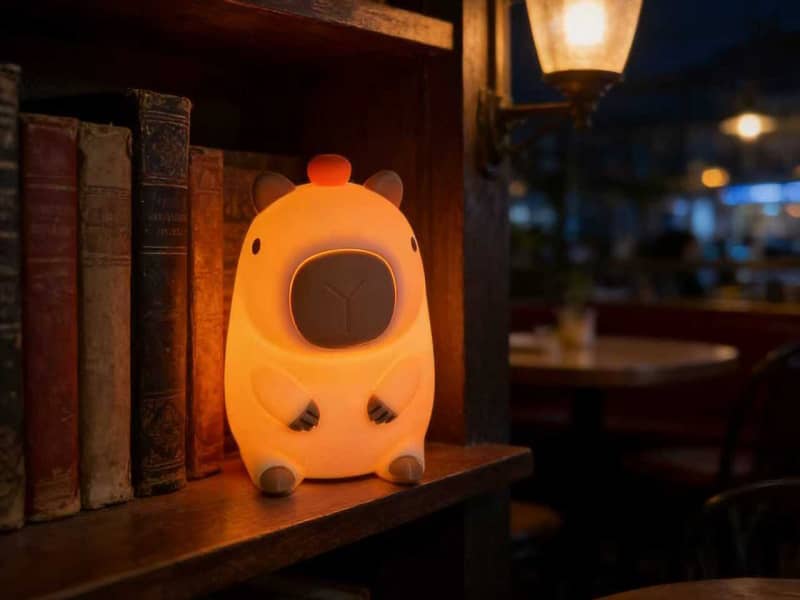
Can Night Lights Reduce Accidents in the Dark?
Stepping out of bed in complete darkness can quickly turn a familiar home into a hazardous environment. Whether walking to the bathroom, checking on a child, or grabbing water, nighttime movement significantly increases the risk of accidents.
From a home safety and SEO trend perspective, search demand around home accident prevention and smart lighting continues to rise. The short answer is clear: yes—night lights can significantly reduce accidents in the dark.
Let’s explore the science, risks, and practical applications behind night lighting.
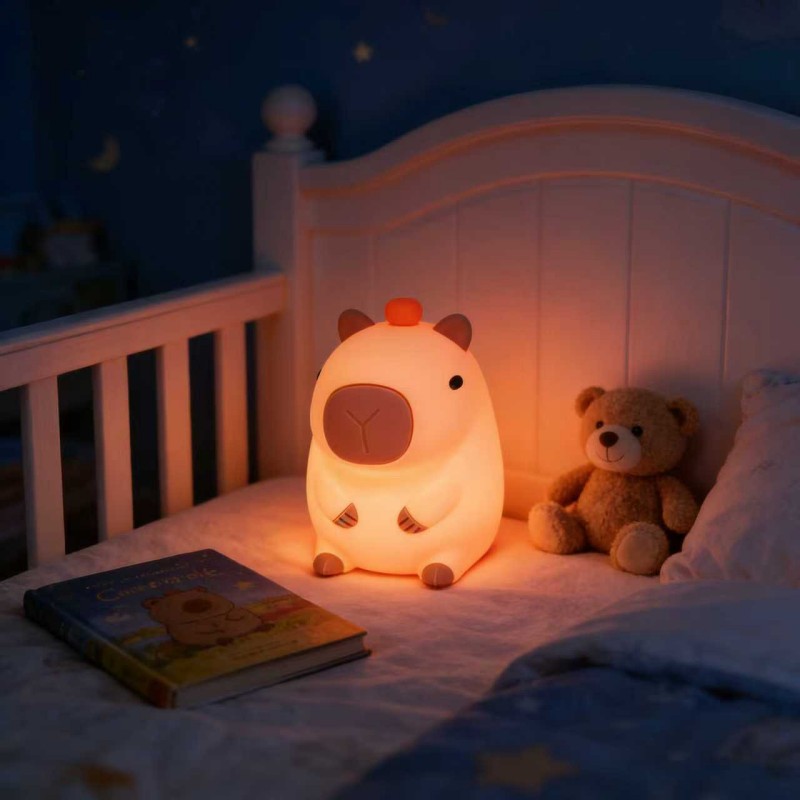
1. The Real Risk of Darkness: Household Accident Data
Many people associate serious injuries with outdoor environments, but statistics show that the home is one of the most common places for falls and trips, especially at night.
Key risk groups:
- Elderly individuals (65+)
Falls are a leading cause of injury-related hospitalization. Poor lighting during nighttime movement increases disorientation and risk of fractures. - Children and pets
Toys, furniture edges, or pets lying on the floor often become invisible in darkness, increasing tripping hazards. - Bathroom environments
Wet floors, hard surfaces, and tight spaces make bathrooms one of the highest-risk areas in nighttime navigation.
2. Why Human Vision Struggles at Night
Human eyes require time to adapt between light conditions. Sudden exposure to bright light at night can actually worsen safety.
Visual transition process:
- Dark environment → eyes fully adapted to low light
- Sudden overhead light → glare and temporary blindness
- Result → disorientation and increased accident risk
Safer alternative:
- Soft ambient night light → gradual illumination
- Maintains spatial awareness without disrupting vision
In addition, strong lighting at night suppresses melatonin production, making it harder to return to sleep.
This is why low-intensity lighting such as a plug-in night light is a safer and more effective solution.
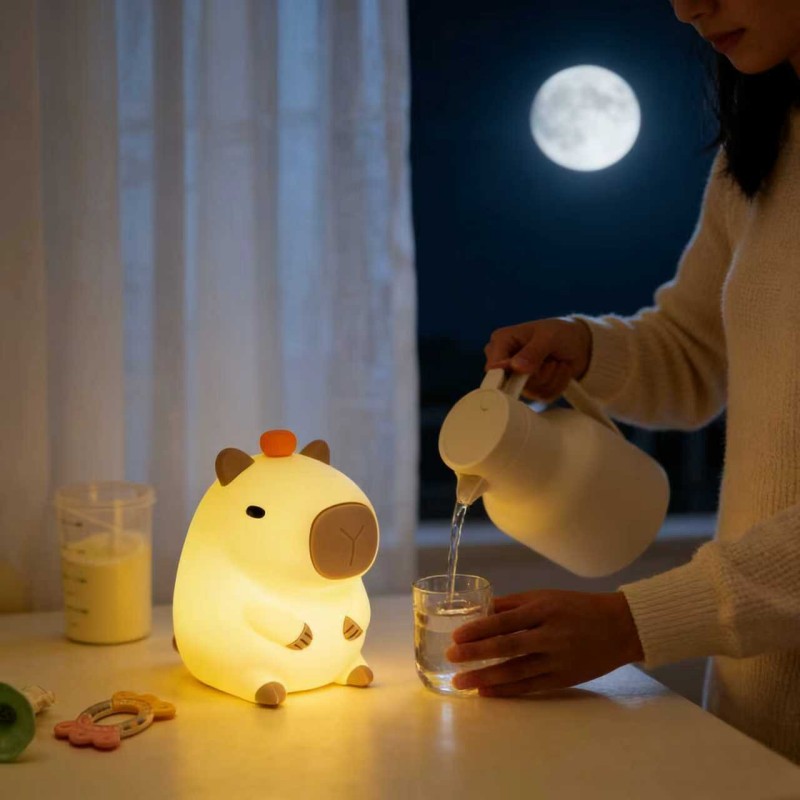
3. High-Risk Areas That Need Night Lighting
Proper placement is essential for preventing accidents. The most important areas include:
| Location | Safety Benefit |
|---|---|
| Stairways & landings | Improves step visibility and prevents missteps |
| Hallways | Helps avoid collisions with walls and furniture |
| Bathrooms | Reduces slip risk on wet floors |
| Kitchens | Improves visibility of obstacles and spills |
4. Why Smart LED Night Lights Are More Effective
Modern lighting solutions outperform traditional bulbs in safety, efficiency, and usability.
Key advantages of LED night lights:
- Low energy consumption
- Cool surface temperature (safe for children)
- Long operational lifespan
- Automatic brightness adjustment
Smart sensor functionality
A high-quality night light with light sensor automatically:
- Turns ON when ambient light drops
- Turns OFF during daylight
- Eliminates unnecessary energy waste
5. Example: Smart Night Lighting Solution
Modern products such as the hairoll LED night light series are designed for both safety and convenience.
Key features:
- Dusk-to-dawn sensor technology
Automatically adapts to environmental lighting conditions - Energy-efficient LED design
Provides stable illumination with minimal power usage - Compact plug-in structure
Leaves second outlet available for other devices
Conclusion: Small Device, Big Safety Impact
Can night lights reduce accidents in the dark?
Yes—significantly.
By providing soft, continuous illumination in key areas like hallways, bathrooms, and staircases, night lights reduce the likelihood of trips, slips, and disorientation during nighttime movement.
Investing in a smart LED night light with automatic sensor functionality is a simple yet highly effective way to improve household safety and ensure peace of mind.







Add comment