

Why Do Some Users Love G-Spot Vibrators While Others Don’t?
In the rapidly expanding adult tech sector, g-spot vibrators have evolved from a niche product into a strategic category with strong cross-border demand. Yet, market feedback reveals a polarized user response—some consumers advocate for them as a game-changer, while others report limited perceived value. Understanding this divergence is critical for brands like Hairoll, especially when scaling g-spot toys for women in global e-commerce.

1. The Science-Expectation Gap: Perception vs. Product Positioning
Many buyers discover the category through search terms such as g-spot toys for women, g-spot toys, and g-spot vibrators, often driven by curiosity or problem-solving intent. However, search behavior doesn’t always translate into informed purchase expectations. Users who express high satisfaction typically understand that g-spot vibrators are designed for targeted internal stimulation, requiring positioning awareness and a short learning curve. Dissatisfied users often compare them directly to surface-focused vibrators, creating an expectation mismatch that impacts perceived performance.
2. Ergonomic Compatibility: Anatomy Diversity Demands Personalization
A core success factor for g-spot toys for women lies in anatomical fit. Positive reviewers frequently highlight curved design and precise contact as decision drivers. Conversely, users reporting underwhelming results often experience ergonomic misalignment—when curvature, length, or vibration focus doesn’t match individual comfort or reach, even high-quality g-spot vibrators may fail to deliver noticeable differentiation.
For manufacturers and brands, this underscores a key trend for 2026: personalization over uniformity. Modular curvature design, adaptive motor focus, and multi-angle ergonomic R&D will define category leaders.
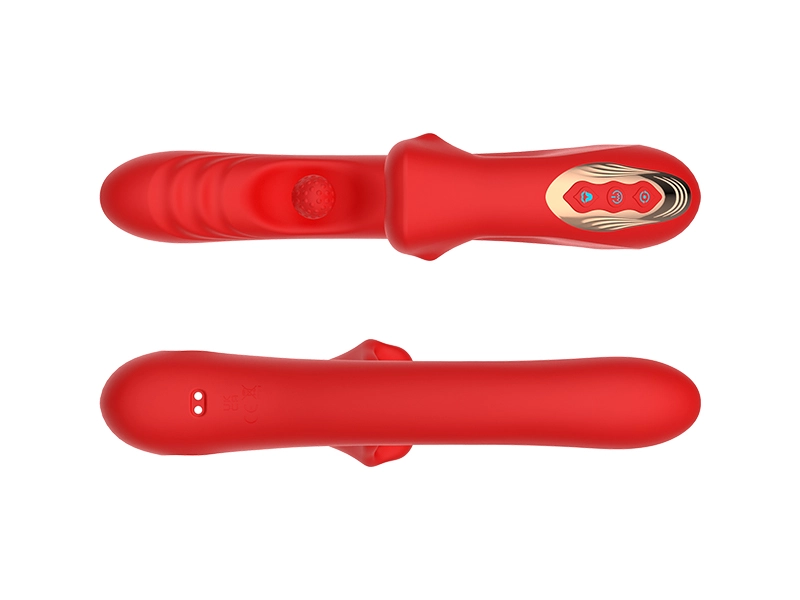
3. Sensory Preference Segmentation: Not All Vibration Profiles Perform Universally
Users who “love” g-spot vibrators tend to prefer deeper, rumbly motor frequencies that simulate pressure-based stimulation. Those who “don’t” often expect sharper, buzzy vibration patterns commonly found in external devices. This reveals a strategic insight: vibration profile segmentation—not just strength—must align with user sensory archetypes.
Hairoll has a competitive advantage here by engineering balanced motor resonance that prioritizes precision contact without excessive noise, supporting global consumer expectations for discretion and accuracy.
4. Trust Infrastructure: Brand Credibility Outperforms Feature Overload
In cross-border markets, trust is the hidden conversion engine. Buyers advocating for the category frequently cite reliable brands when recommending g-spot toys or g-spot vibrators. Users disappointed by the category often purchased from low-trust sellers influenced by inflated claims rather than validated performance signals.
For Hairoll, credibility must remain the lead pillar in content strategy. Demonstrating real product outcomes, ergonomic rationale, motor engineering transparency, and compliance readiness drives stronger ROI than listing endless features.

5. Global Market Signals: Demand is Real, but Education is the Unlock
Search volume for g-spot toys and g-spot vibrators is rising in North America, Europe, and Southeast Asia. This indicates market momentum, not keyword inflation. But scalability depends on user education, positioning guidance, and expectation alignment—brands that bridge this gap will dominate repeat purchase cycles.
Strategic Takeaways for Hairoll
To maximize category adoption across global markets, Hairoll should prioritize:
- Ergonomic-first product design that supports anatomical diversity
- Segmented motor resonance profiles aligned with sensory preferences
- Educational content targeting high-intent keywords like g-spot toys for women, g-spot toys, and g-spot vibrators
- Trust-driven messaging with validated claims, compliance assurance, and engineering transparency
Final Outlook:
The divergence in user sentiment isn’t a category flaw—it’s a market segmentation opportunity. As consumer expectations mature, g-spot vibrators will continue to gain strategic importance, particularly for brands that combine precision engineering with scalable education and trust infrastructure.
Hairoll is positioned to lead this shift by aligning product experience with real user needs rather than speculative marketing narratives.









Add comment