
How to Choose the Best Night Light for Home Safety and Comfort?
Moving around the house at night can be challenging when hallways, stairs, and bathrooms are poorly lit. Turning on bright overhead lights may help you see, but it can also disturb your sleep. A well-designed night light offers a practical alternative by providing enough illumination to navigate familiar spaces more safely.
For families, older adults, and anyone who frequently gets up during the night, choosing the right night light can improve visibility, convenience, and everyday comfort.
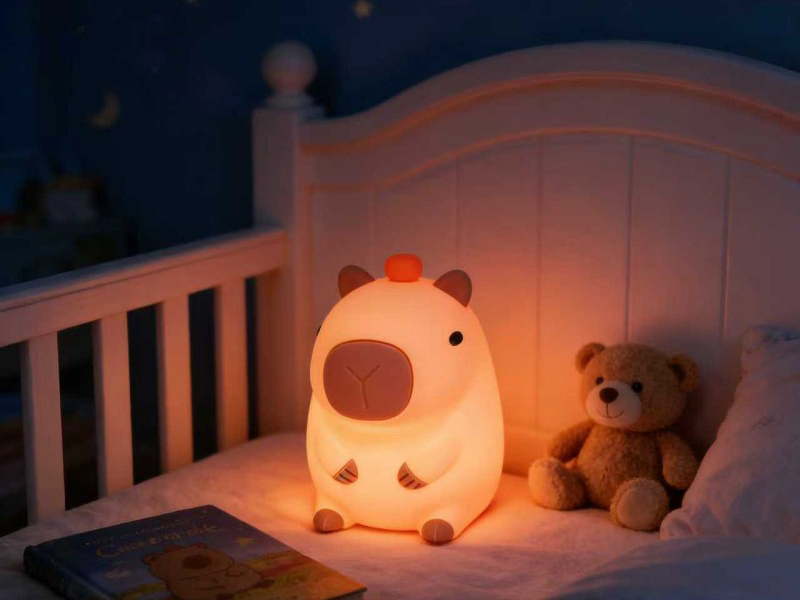
1. Why Night Lights Matter for Home Safety
Low visibility makes it harder to identify obstacles, changes in floor level, and furniture along walking routes. A small object that is easy to see during the day can become a tripping hazard at night.
Night lights help illuminate key areas without requiring the main lights to be switched on. They are particularly useful for:
- Older adults: Better visibility can support safer movement around the home.
- Children: Gentle lighting helps children navigate bedrooms and hallways at night.
- Families: Illuminated pathways make nighttime trips to the bathroom or kitchen more convenient.
- Pet owners: Low-level lighting helps make pets and floor-level obstacles easier to notice.
Although night lights cannot eliminate every accident, appropriate lighting can reduce visibility-related hazards.
2. LED Night Lights vs. Traditional Lighting
When choosing nighttime lighting, LED technology offers several practical advantages over conventional bulbs.
Key benefits of LED night lights
- Energy efficiency: LEDs use relatively little electricity, making them suitable for extended nighttime use.
- Long service life: Quality LED products can reduce the frequency of bulb replacement.
- Low heat output: LEDs generally produce less heat than traditional incandescent bulbs.
- Compact design: Small plug-in models fit conveniently into bedrooms, hallways, and other limited spaces.
For everyday home use, a low-intensity LED night light can provide useful illumination without the brightness of a standard ceiling fixture.

3. Which Type of Night Light Should You Choose?
Different night lights serve different purposes. Understanding their functions makes it easier to select the right option.
| Night Light Type | Main Advantage | Best Use |
|---|---|---|
| Dusk-to-dawn night light | Turns on automatically in low light | Bedrooms and hallways |
| Motion sensor night light | Activates when movement is detected | Stairways and bathroom routes |
| Adjustable night light | Allows users to control brightness | Bedrooms and children’s rooms |
| Plug-in LED night light | Simple installation and compact design | Everyday home lighting |
A dusk-to-dawn model is useful when continuous low-level illumination is preferred. A motion sensor night light may be a better choice when lighting is only needed as someone passes by.
4. What Features Should You Look For?
Not all night lights provide the same level of convenience. Before purchasing, consider the following features.
Automatic light sensor
A night light with a built-in light sensor detects changes in ambient brightness. It can turn on when the room becomes dark and switch off when sufficient daylight is available, helping reduce unnecessary energy use.
Soft, comfortable illumination
The purpose of a night light is to improve visibility, not flood a room with bright light. Choose a brightness level that makes obstacles easier to see while minimizing glare.
Warm or soft-toned illumination may be preferable in bedrooms because it is generally less disruptive to nighttime routines than intense, cool-toned light.
Practical plug-in design
A compact plug-in night light is easy to install and does not require complicated wiring. For products with a pass-through outlet, check whether the design allows another device to remain plugged in without blocking access or exceeding electrical ratings.
Reliable construction
Look for clear product specifications, appropriate electrical certifications for your market, and safety instructions from the manufacturer. These details matter when a light will remain connected for long periods.
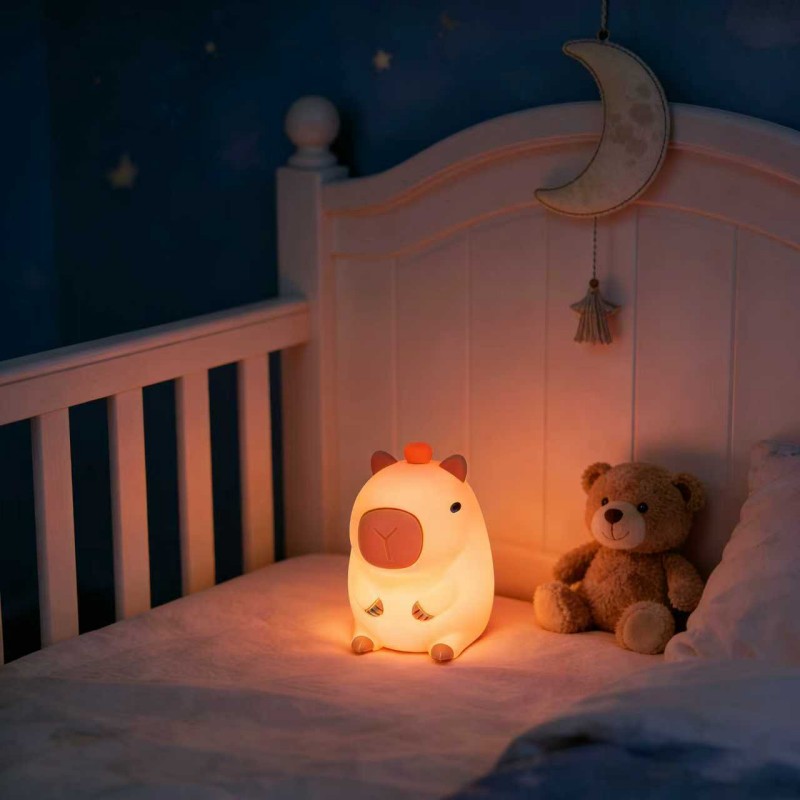
5. Where Should You Install Night Lights?
Placement is just as important as product selection. Position lights where they improve visibility along frequently used routes.
- Hallways: Illuminate walking paths between bedrooms and bathrooms.
- Staircases: Make steps and landings easier to identify. Ensure the lighting covers the entire route.
- Bathrooms: Provide enough light to locate fixtures and identify obstacles, especially near the entrance.
- Bedrooms: Place a night light where it helps you get out of bed without exposing you to excessive brightness.
- Kitchens: Illuminate access routes while keeping lights away from water and other potential hazards unless the product is specifically rated for that environment.
Avoid positioning lights where their glare shines directly into your eyes or where furniture blocks the illumination.
6. Hairoll LED Night Lights for Everyday Convenience
When evaluating home lighting products, the Hairoll LED night light range is one option to consider for everyday nighttime illumination.
Depending on the selected model, useful features to look for include:
- Dusk-to-dawn sensor functionality for automatic operation
- Energy-efficient LED illumination
- A compact plug-in structure for convenient installation
- A practical design suited to bedrooms, hallways, and other indoor spaces
Before choosing a specific model, confirm its actual brightness, sensor type, electrical specifications, and outlet design. Product features can vary, so matching the model to the intended application is essential.
For retailers and distributors, these features can also help define the right product range for different household lighting needs.
Conclusion: Find the Right Night Light for Your Home
Choosing the best night light involves more than selecting a small lamp. Brightness, sensor functionality, energy efficiency, installation location, and product safety all influence its performance.
For continuous nighttime illumination, a dusk-to-dawn LED night light is a practical choice. For areas used only occasionally, a motion sensor model may offer greater convenience.
By selecting suitable lighting and placing it strategically, you can improve nighttime visibility and make everyday movement around the home more comfortable.
Looking for a practical home lighting solution? Explore Hairoll LED night lights to find a model that fits your household or product sourcing needs.
Frequently Asked Questions
1. Are LED night lights safe to leave on overnight?
Many LED night lights are designed for extended operation. However, always follow the manufacturer’s instructions and choose a product with appropriate safety certifications for your market.
2. What is the difference between a light sensor and a motion sensor?
A light sensor responds to ambient brightness, while a motion sensor responds to movement. Some products combine both functions, but you should verify the specifications before purchasing.
3. What color is best for a bedroom night light?
Warm or soft-toned light is often a comfortable choice for nighttime use. Keep the brightness low enough to see your surroundings without creating unnecessary glare.
4. Can a night light prevent falls?
A night light can improve visibility and help people identify obstacles, potentially reducing some nighttime fall risks. It cannot eliminate all hazards, so clear walkways, secure handrails, and appropriate footwear remain important.





Add comment